
Best Gorilla Families to Visit in Uganda: A Complete Guide for Gorilla Trekking
Are you asking , what the best gorilla families to visit in Uganda are? Or what the best habituated gorilla families to visit in Uganda are? Well, Uganda is one of the few places in the world where you can come face to face with endangered Mountain Gorillas in their natural habitat. Every year, thousands of travellers journey into the ancient rainforests of Bwindi Impenetrable National Park and Mgahinga Gorilla National Park for a once-in-a-lifetime gorilla trekking experience. While the destination itself is extraordinary, choosing the right Gorilla family can make your adventure even more memorable.
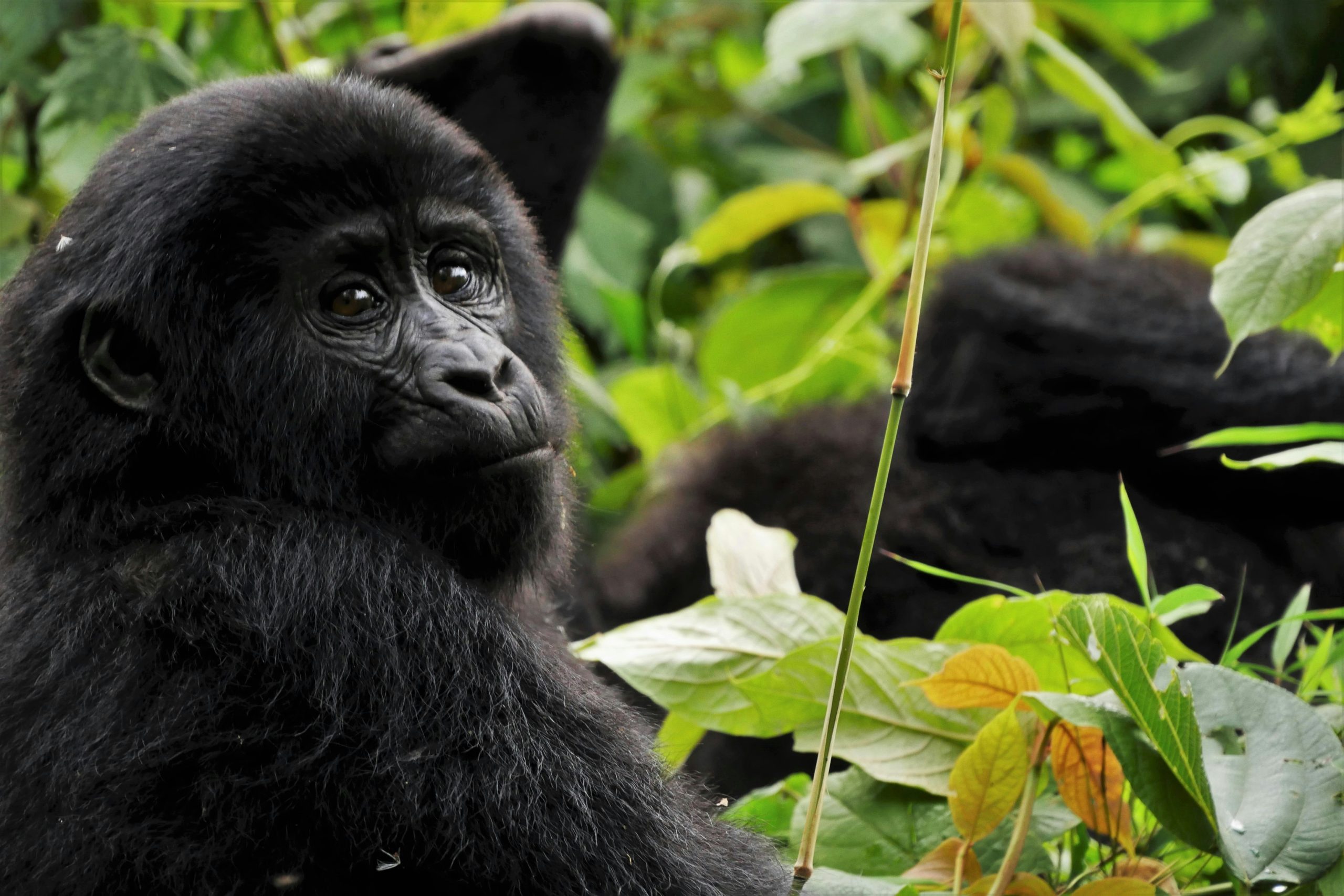
There is a chance to stand 7 meters from a group of Habituated Gorillas that have undergone training for up to 3 years to get used to human environments. The best gorilla families to visit in Uganda’s national parks include: Oruzogo, Mubare, Habinyanja, Bitukura, Rushegura, Kyaguriro, Nkuringo, Mishaya, Bweza and Nyakagezi. The list is a small proportion of the 21 habituated gorilla families of Uganda, protected by Uganda Wildlife Authority (UWA) and they promote safety for Gorilla Trekkers.
More than 20 habituated gorilla families are found in four sections of Buhoma, Rushaga, Ruhija and Nkuringo. On the other hand, Mgahinga conserves its large group called the Nyakagezi Gorilla Family, located in the rainforests close to Mount Gahinga of the Virunga Volcanoes in East Africa. Uganda offers trekkers a wide range of experiences. Some groups are known for their large number of members, playful juveniles, and dominant silverbacks, while others are easier to reach, making them ideal for first-time trekkers, families, or older visitors. Certain gorilla families are found in remote parts of the forest, rewarding adventurous hikers with spectacular scenery and a more exclusive trekking experience. Every gorilla family has its own character.
What are the two kinds of Gorilla Trekking in Uganda?
There are two kinds of Uganda gorilla trekking tours offered for people interested in the large primates on earth. Mountain gorillas are trekked under “Gorilla Habituation Experience in Bwindi and “Regular Gorilla Trekking,” whose permits are priced differently. Gorilla habituation is a lengthy adventure providing 4 hours with Mountain gorillas and the bearer pays around $1500.
A regular gorilla trekking safari is the most common experience done in all gorilla sanctuaries in East Africa, such as Volcanoes National Park in Rwanda, Uganda’s Bwindi Impenetrable National Park, among others.
Despite the physical challenges during Bwindi Gorilla Trekking and Mgahinga Gorilla Trekking in Uganda, the experience is worth all the time, money, and sweat dropped.
What are the Best Gorilla Families to visit in Bwindi Impenetrable? Habituated gorilla families in Bwindi
- Rushegura Gorilla Family (Buhoma);
Living in the Buhoma sector of Bwindi Impenetrable National Park is the Rushegura Gorilla Family. In the local language of nearby tribes “Ebishegura” refers to a certain plant in the jungle, hence the name “Rushegura” for this iconic family of gorillas. It is one of the largest in the whole park with 21 members under one silver called “Mwirima” who happens to be a brother to “Rwansigazi” from Habinyanja Gorilla Family.
The family started with 12 members after it had broken away from the big Habinyanja Group until its leader died in 2009. Mwirima was then succeeded by Kabukojo who is still the reigning silverback and dominant male in the group. Rushegura’s family is known to be welcoming and friendly to trekkers in Buhoma. It rewards them with unforgettable experiences to be surrounded by a band of creatures in their natural habitat.
- Habinyanja Gorilla Family (Buhoma);
Habinyanja Group is one of the most hiked Bwindi gorilla families located in the nearby Buhoma Section. The family was habituated in 1997 making it one of the first ages to be opened for visitation. While many groups have long reigning silverbacks, Habinyanja has gradually grown under different dominant males such as Mugurusi (old man) and Makara.
Originally, the family was found near wetland and that’s where it obtained its name Habinyanja implying “Place with water” in the local Rukiga language. There were 17 members of the family in 1997 under the leadership of Mugurisi at the time of habituation. Later, the supreme leader was replaced by his brother, called Rwansigazi and Mwirima.
However, the two brothers of Mugurisi could not stay together due to the differences in traits they possessed. Mwirima liked staying within a short range in the Buhoma sector, while Rwansigazi was fond of staying around the different parts of Bwindi, leading to their separation in 2002. Habinyanja emerged as a separate group with Rwansigazi as its leader while Mwirima formed the Rushegura family of Bwindi.
- Bitukura Gorilla Family (Ruhija);
If you are planning a Gorilla trekking Bwindi Impenetrable safari, Bitukura Gorilla Family is one of those creatures that leaves visitors’ minds blown after spending an hour watching the 14 members. At the time of habituating the family, it was led by Karamuzi as the dominant male. He was later replaced by Ndahura, chosen from the silverbacks within the group.
Bitukura is one of the most adaptive gorillas in Bwindi, which took just 15 months to get used to humans. This was a huge achievement by the researchers and conservationists who normally train wild apes for a period from 2 to 3 years to make them used to people. Bitukura was then open for travelers in 2008 to visit, take photos, and watch the daily life of its 14 members.
- Mubare Gorilla Family (Buhoma Bwindi);
Located in the remote section of Buhoma Bwindi Impenetrable National Park is the Mubare Gorilla Family. It is also known for the easiest hiking experience, allowing people to find the iconic gorillas within 30 minutes and 2 hours. Mubare derived its name from the original trackers of the Bwindi Sanctuary in the Buhoma sector. While exploring this group of Mountain gorillas, teams of trekkers can glance at 8 members led by the dominant male called Kanyonyi. It is truly amazing to spend time with the oldest gorilla family in Uganda, which was first trekked in 1993.
The first leader of the Mubare Gorilla Family was Ruhondeza who led about 18 members by the time the group was seen in the wild. However, in 2012, Ruhondeza’s apes were raided by a nearby group of gorillas that took the females. People can visit the grave of Ruhondeza, who died after 50 years in the wilderness of Bwindi, having been in the eyes of many travelers for Uganda gorilla trekking experiences.
- Katwe Gorilla Family (Buhoma);
In the rugged terrains of the Buhoma Area lies the Katwe Gorilla family, one of the newest groups to open for trekking in Bwindi Impenetrable Forest. It comprises 7 members, that is to say, 2 sub-adult females, 2 blackbacks, 2 adult females and 1 silverback. The majestic creatures are headed by the dominant “Mahaane” in charge of the members of the fourth latest habituated family of Mountain gorillas in the sector.
- Gorilla Family (Buhoma);
Discover another recently habituated gorilla family in the Buhoma Section, the Kanywanyi Gorilla Family. This is a unique set of apes made up of 5 members that is yet to grow just like other troops of the majestic creatures. Meeting the troop unfolds the best gorilla watching moment that cannot be described in words.
- Kyaguriro A Gorilla Family (Ruhija);
Kyaguriro A Gorilla Family is another interesting family of the endangered Mountain gorillas, although people are not allowed to visit it except for researchers and other scientists in the Bwindi Impenetrable National Park. It hosts about 7 members, making it a small family compared to other groups.
- Oruzogo Gorilla Family (Ruhija);
Gorilla trekking in the Ruhija Area brings the Oruzogo Gorilla Family closer, which comprises 16 members. There is one silverback to see once travelers to Uganda’s Bwindi meet the wild family of the apes in their natural habitat. Tibirikwata is the only male available and controls 15 members, including adult females and infants. Oruzogo has been a must-watch attraction in Ruhija since its opening for hiking in 2011 in Bwindi Impenetrable National Park. The introduction of Oruzogo greatly raised the volume of
Gorilla trekking activities in Bwindi Uganda, are due to the availability of more creatures that are used to being close to humans.
The time around Oruzogo is very interesting as it lets the hikers watch unstable toddlers, playful infants and tired adults resting in the bushes. Those looking forward to seeing the Orugozo Gorilla Family can lodge in the Buhoma Area and embark on the early morning drive for one hour to reach the Briefing Center of Bwindi on the day of the trek to find its 19 members.
- Happy Gorilla Family (Ruhija)
Happy Gorilla Family is a lively troop inhabiting the lush green Ruhija Section of Bwindi Impenetrable Forest where apes roam freely. Happy is made up of five Mountain gorillas who have recently undergone habituation. Uganda Wildlife Authority (UWA) intends to permit people to Bwindi to start visiting the animals.
- Mukiza Gorilla Group (Ruhija);
Mukiza Gorilla Group emanated from the Kyaguliro Family that divided after the death of its dominant male called “Rukina”. This led to the emergency of a new leader “Mukiza” to protect the members of his group.
- Kyaguliro B Gorilla Family (Ruhija);
Kyaguliro B is a breakaway Gorilla group from the vast “Kyaguliro A” in Ruhija Section after the death of Rukina. This Bwindi family is yet to be included in the animals available for Permit booking in Uganda to allow admirers of Mountain gorillas to visit its 8 members.
- Nshongi Gorilla Family (Rushaga Area);
Introduced in September 2008, the Nshongi Gorilla Family was Bwindi’s largest group to be habituated with over 36 members. It comprised 4 silverbacks, something unique among all the Uganda gorilla families which usually have one or two males. In most cases, the oldest silverbacks tend to be dominant in their Gorilla families however, the leader of this group, “Nshongi,” is younger than some of his fellows.The
Nshongi group was known to be peaceful due to the existence of 11 males (4 silverbacks and 7 blackbacks), which did not show any struggle for leadership. Suddenly, Nshongi started to disintegrate, leaving 26 members still in the pack by July, 2010. Bweza Gorilla Group broke away from Nshongi in 2013, and the remaining Mountain gorillas were about 18. Amazingly, Nshongi stays in a dense forest famous for housing diverse species of wildlife like monkeys, chimpanzees and various moths to see during Gorilla trekking Bwindi adventures.
Best Uganda Gorilla Trekking Safari Packages for Every Budget



The Cost of Gorilla Permits in Uganda
The cost of gorilla permits in Uganda ranges from $700 to $1500, depending on the type of Gorilla trekking experience to undertake, the category of the bearer and the period of Travel (High and Low Seasons). The regular gorilla trekking permits cost about $800 for foreign non-residents of Uganda, $700 for foreign residents and 300,000 Uganda Shillings for East African nationals from Kenya, Tanzania, Rwanda, Burundi, South Sudan and the Democratic Republic of Congo.
The Uganda Wildlife Authority (UWA) introduced the low season permits to boast the travels in the wet months, March to May and October to November. It costs $600 for foreign non-residents and $500 for foreign residents of the country.
What are the habituated gorillas to see in Uganda, Bwindi Impenetrable, and Mgahinga?
During the once-in-a-lifetime Africa safari, people visiting Bwindi and Mgahinga National Park can see habituated gorillas such as Habinyanja, Mukiza, Rushegura, Nshongi, Bweza, Nyakagezi, Nkuringo, and many more.
Habituation is a slow and carefully managed conservation process led by experienced researchers, trackers, veterinarians, and rangers. It usually takes between two and five years for a wild gorilla family to become comfortable with the presence of people without changing its natural behaviour. Even after a family is opened for tourism, strict rules remain in place to protect both the gorillas and visitors. Only a limited number of permits are issued each day, and every trek is led by trained guides from the Uganda Wildlife Authority (UWA).
Is gorilla trekking in Uganda safe?
Yes, gorilla trekking in Uganda is very safe with several measures put in place to make sure that there is safety of both humans and gorillas.
Unlike traditional wildlife safaris, where animals are viewed from tour vehicles, gorilla trekking takes you deep into the rainforest on foot. Although this may sound intimidating, visitors are never allowed to trek alone. Each group is accompanied by professional guides who know the forest, understand gorilla behaviour, and maintain constant communication with trackers who locate the gorilla families before trekkers arrive.
Every trek is carefully managed by the Uganda Wildlife Authority (UWA), where experienced Tour guides, armed rangers escort, trackers, and conservation teams work together to ensure the safety of both visitors and the endangered Mountain Gorillas. Strict regulations, limited daily permits, and years of conservation experience have made Uganda one of the world’s most trusted destinations for mountain Gorilla Trekking.
How many people are allowed to visit a family of gorillas?
During a Rwanda gorilla trekking safari or Uganda gorilla trekking adventure, only 8 people are allowed to visit a family of wild gorillas under the lead of the range guides and porters together with trackers.
Affordable Uganda Gorilla Trekking & Wildlife Safari Packages for Every Traveler
- 15 Days Great Migration & Zanzibar Safari – 2026 -2027
- 10 Days Great Migration Safari Package – 2026 – 2027
- 5 Days Tanzania Wildlife Tour
- 6 Days Family Safari in Tanzania
- 6 Days Tanzania & Uganda Safari
- 6 Days Serengeti – Ngorongoro Safari
- 6 Days Tanzania & Uganda Safari
- 7 Days Rwanda & Tanzania Safari: Gorillas and Serengeti Wildlife Safari
- 7 Days Kenya Wildlife & Uganda Gorilla Safari
- 7 Days Uganda Gorillas & Tanzania Wildlife Safari
- 7 Days Luxury Tanzania Safari
- 7 Days Wildlife & Beach Safari in Tanzania
- 8 Days Group joining Tour in Tanzania
- 8 Days Kenya Wildlife Safari
- 8 Days Luxury Tanzania Safari: Classic 8 Days Wildlife Safari in Tanzania
- 8 Days Serengeti and Mountain Gorilla Safari
- 8 Days Uganda Primates and Kenya Wildlife Safari
- 8 Days Wildlife Safari in Kenya and Tanzania
- 8 Days Amboseli – Masai Mara Safari & Bwindi Gorilla Safari
- 9 Days Wildlife Safari in Tanzania
- 9 Day Kenya and Uganda Safari
- 9 Days Uganda Gorillas and Tanzania Safari
- 10 Days Great Migration and Primate Safari
- 10 Days Gorillas-wildlife & Beach Safari
- 10 Days Tanzania Wildlife Safari: Epic 10 Days Wildlife Safari in Tanzania
- 11 Days Wildlife Safaris in Tanzania
- 11 Days Uganda Kenya and Zanzibar Safari
- 12 Days Kenya and Uganda Safari via Kigali City
- 12 Days Wildlife and Primate Safari
- 12 Days Southern Circuit Wildlife Safari in Tanzania
- 7 Days Ultimate Kenya Wildlife Safari – 2026
- 14 Days Tanzania Wildlife Safari
- 10 Days Ultimate Uganda Safari
- 3 Days Chimpanzee Habituation Safari – Kibale National Park
- 5 Days Kidepo Valley National Park Safari
- 5 Days Queen Elizabeth Wildlife Safari & Chimpanzee trekking
- 9 Days Uganda Safari
- 8 Days Uganda Primates and Wildlife Safari
- 7 Days Wildlife Uganda Safari
- 6 Days Gorillas and Wildlife Safari Uganda
- 5 Days Uganda Wildlife Experience and Gorillas.
- 5 Days Uganda Wildlife safari & Chimpanzee trekking tour
- 4 Days Murchison Falls Safari & Ziwa Rhino tracking
- 3 Days Uganda Gorilla Trekking Safari
- 3 Days Uganda Gorilla Habituation Safari