
Gorilla Trekking Rules and Etiquette: Complete Guide for a Safe Gorilla Safari
Planning a Gorilla Safari Experience is an exciting step towards enjoying one of Africa’s most iconic wildlife encounters.Whether you are Trekking in Uganda, Rwanda, or the Democratic Republic of the Congo, understanding the Gorilla Trekking Rules and Etiquette is essential for visitors’ safety and the conservation of Mountain Gorillas.
Mountain gorillas are the largest primates of Africa inhabiting the misty rainforest in Virunga Massif, Mgahinga Gorilla National Park and Bwindi Impenetrable National Park. They are the fewest apes (1000 Gorillas) in the region compared to chimpanzees, making them globally admired by the hundreds of visitors to Uganda, the Democratic Republic of Congo and Rwanda. Due to this high influx of Travellers from all over the world to visit Gorilla trekking national parks (Volcanoes National Park, Mgahinga Gorilla National Park, Bwindi Impenetrable National Park and Virunga National Park), there is a need to protect the primates and conserve their natural habitat.
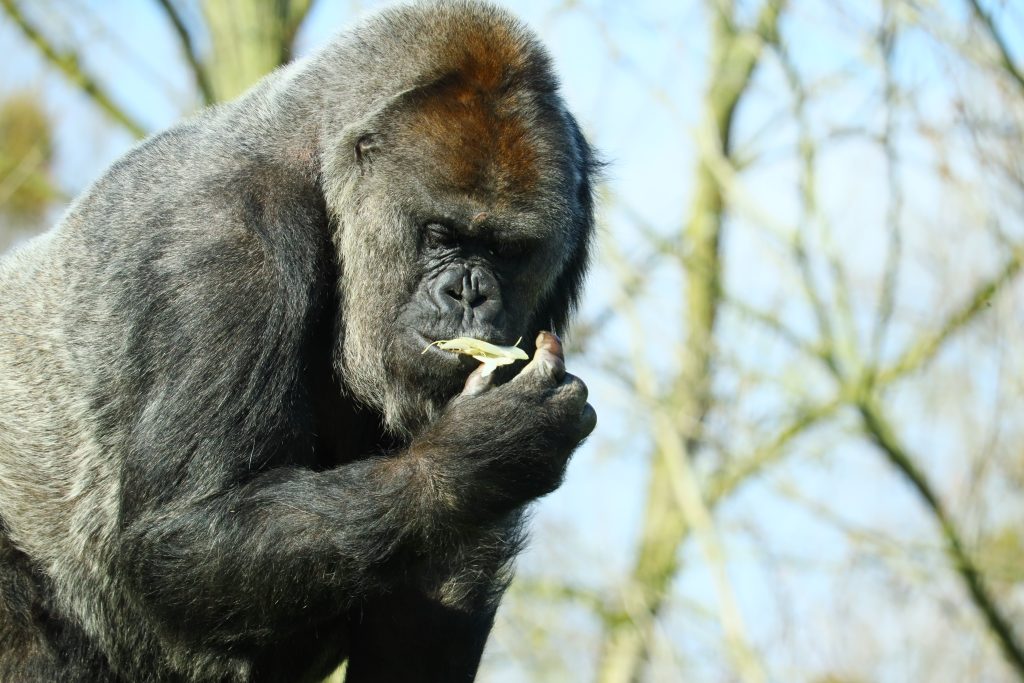
Gorilla Trekking Rules and Etiquette: Nirvana Safaris
Whether it is Uganda Gorilla Trekking or Rwanda Gorilla Tracking experience, Gorilla Trekking rules and Etiquette promote safety for the humans visiting the natural habitat of the humble giants of the Virunga Mountains by monitoring them in smaller groups of 8 members, observing a minimum distance with the creatures and ensuring they are led throughout the jungles.
It is important for people to ask: What are the rules and guidelines of Gorilla trekking? and understand the dos and don’ts of the gorilla safari before being part of the unforgettable experience in Uganda and Rwanda. Failure to observe the rules and guidelines could lead to cancellation of the trek and visitors are told to return to the main offices. Sometimes it may lead to cancellation of the gorilla permit before embarking on the hike.
Why is it important to follow the rules and guidelines for Gorilla Trekking
1. To support conservation efforts by the various stakeholders
2. To protect mountain gorillas and boost their numbers in the wild
3. To promote the safety of gorilla trekkers
4. To promote sustainable Gorilla tourism for future generations
5. Ensure the primates do not catch human diseases
6. To promote ethical practices for wildlife tourism
7. To promote legal compliance
Gorilla Trekking Rules Before Entering the Forest
- Endeavor to sanitize your hands before entering the home of the mountain gorillas
- On the trekking day, only 8 members are permitted to search for a single gorilla family
- Each time you visit gorillas, make sure you put on clean clothes
- Take heed of the instructions provided by the guide when doing the trek
- While in the forest, do not dispose of the wastes (always use the restroom at the main office)
- No littering the natural habitat of the Mountain gorillas (when leaving the jungle, all the rubbish should be taken back to the visitors’ center.
Essential Gorilla Trekking Etiquette & rules to follow During the Encounter
1. keep the voice as low as possible when standing before Mountain gorillas in the national park. Noise must be avoided and communication should be done in a low tone so as not to disrupt the animals.
2. Never leave the pack. Make sure you are close with the group members with whom you have visited the assigned family.
3. Observe the minimum distance when in front of the primates (7 meters gaps).
4. Eating and drinking should be done before or after the trek
5. When a gorilla becomes agitated, stay calm and instructed by the guides. The animals like to impose on other creatures and in such cases, it is better to be submissive
6. Avoid eye contact with mountain gorillas. Makes sure the animals feel comfortable and do not make them agitated.
7. Remain quiet around the animals until you are about 200 meters from them when getting out of their natural home.
8. Switch off the camera flashes when taking photos of the Mountain gorillas. Do not rush while capturing the gorillas and always make slow movements.
Healthy guidelines and rules of Gorilla trekking
The endangered majestic gorillas are close relatives to mankind, sharing a lot of genetic similarities making them susceptible to human diseases. If the diseases are not managed well, they could wipe out the creatures in the world. To ensure their survival for a long period of time, the Uganda Wildlife Authority (UWA) and Rwanda Development Board (RBD) came up with the following rules and health guidelines;
1. If you feel unwell on the day of gorilla trekking, volunteer and stay behind at the office
2. In case you feel like coughing before the mountain gorillas, a face mask is recommended and turn your head away from the endangered wildlife.
3. When in front of the primates, always observe at least a distance of 7 meters.
4. In circumstances where one needs to ease in the middle of the forest, dig a hole of at least one meter and then cover the waste very well.
The Best time to go for Gorilla trekking (Uganda and Rwanda)
For those looking forward to going gorilla trekking in Rwanda and Uganda, it is important to know that the best time to see the creatures is in the dry season that happens in two periods of the year in East Africa, The months of June to September and December to February are ideal for gorilla safari experience due to less muddy routes, few leaves on trees and easier hiking in the jungles.
Booking gorilla permits 2026-2027
If you are organizing a Uganda gorilla trekking Bwindi safari or Rwanda gorilla trekking Volcanoes adventure, you need a gorilla permit to take part in the best African primate tracking tours. Booking in time will allow you to have a conducive and memorable time without any
frustrations.
Nirvana Safaris Ltd offers well-crafted Gorilla tracking packages to enable you to travel in the East African countries of Uganda and Rwanda. We will help you understand the various gorilla permits and comparisons in the two main destinations for gorilla trekking in Africa.